
Where Making Keeps Villages Alive

In many valleys and plateaus, a single workshop becomes a heartbeat that steadies everything around it. Income from carving, weaving, or smithing pays for schoolbooks and roof tiles, keeps grocery stores open, and draws young families home. When hands stay busy, community halls fill, songs return to festivals, and the dignity of craft ripples into shared pride and practical resilience across entire districts.

Landscapes as Toolboxes

Materials are not merely inputs; they are neighbors with long memories. Alpine summers gift wool that breathes; karst stone teaches patience and reading fractures; lowland forests offer straight grain that dries clean. Makers listen to slopes, rains, and winds, becoming translators between ecology and utility. Each region’s geology and climate shape objects that feel inevitable, beautiful because they belong exactly where they were born.

From spruce to spoon in Ribnica

The Ribnica Valley, famous for suha roba, turns slender spruce and maple into ladles, spatulas, and toys that leave almost no waste. Logs season under eaves until moisture is right; knives follow rings like respectful guests. Families teach grain-reading by touch, not textbooks, and finish with oils that smell of forests, ensuring utensils age gently while reminding kitchens of the hills that raised them.

Stone taught by the bora in the Karst

In the Karst, the bora wind scours faces and sharpens edges; masons there read limestone the way sailors read swells. Hammer by hammer, they coax thresholds, troughs, and vineyard markers that shrug off storms. Offcuts become steps, rubble becomes walls, nothing is casual. Each chisel mark holds a conversation with weather, making durability not just a claim, but a collaboration between craft and climate.

Wool written by alpine summers

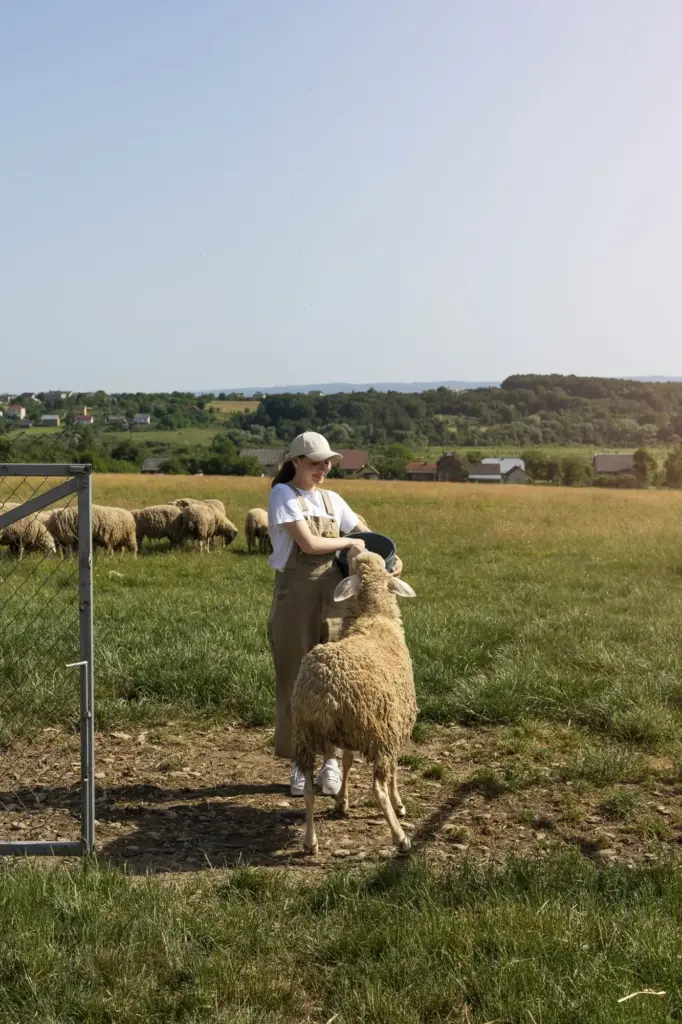
Shepherds near Bohinj and Jezersko move flocks as meadows bloom, producing fibers with spring in every strand. Spinners use whorls smooth as river stones; weavers pattern shawls that breathe uphill, then warm by hearth. Felters shape slippers that dry quickly after mountain rains. Labels trace pastures, not factories, inviting wearers to feel thunderclouds, bells, and meadow herbs hiding in every resilient thread.

Revival Playbook: People, Festivals, Cooperatives

Recovering endangered skills takes more than nostalgia. It takes mentors who love imperfection toward mastery, festivals that convene buyers with curiosity, co-ops that negotiate fair pricing, and storytelling that dignifies slowness. Across Slovenia, partnerships between elders, designers, teachers, and mayors rebuild confidence, connect rural studios to urban galleries, and prove that heritage can be both economically viable and genuinely exciting for modern lives.

Lace meets fashion in Idrija

Idrija’s bobbin lace school pairs teenage makers with contemporary designers who sketch jackets, lamps, even sneakers trimmed in threadwork once destined only for dowries. During the festival, visitors watch pillows bloom with motifs named after mines and river bends. Orders follow, not as souvenirs alone, but as collaborations, where patterns are credited, makers are paid properly, and lace is finally seen as future-facing craft.
Forging pride again in Kropa

Kropa’s blacksmithing museum does more than display nails; it sparks them in live fires where children pump bellows and adults feel scale lift from glowing iron. Local smiths take commissions for gates and hinges with patterns drawn from river eddies. Town walks end at forges where apprentices learn heat colors, not clock times, reviving a metalworking language that once built empires of sturdy details.
Sweet memory restored in Radovljica

Gingerbread hearts at the Lectar workshop smell like cinnamon, woodsmoke, and birthdays. Artisans pipe names and tiny alpine scenes, then explain how old wooden molds survived wars hidden under flour. Visitors write dedications, learning icing consistency by failure and laughter. Each purchase supports training hours for new decorators, ensuring the next generation can spell love in sugar while keeping rent and ovens paid.

Passing the Skill On

Techniques endure when knowledge stays embodied, social, and curious. Apprenticeships anchor respect; classrooms turn heritage into experiments; digital channels widen markets without flattening meaning. The goal is not to freeze styles, but to carry judgment, ethics, and sensitivity forward. When young makers feel ownership, they critique, adapt, and defend quality standards that honor mentors while inventing tomorrow’s useful, truthful objects.

Green by Design

Sustainability is not a marketing add-on; it is the original logic of rural making. Materials come from nearby, waste feeds new objects, and durability shrinks footprints. Makers steward forests, pastures, and quarries because those places feed their families. Repair policies and traceability turn customers into partners, proving that beautiful goods can also measure success in decades used rather than packages shipped.

Travel Kindly and Buy Wisely

{{SECTION_SUBTITLE}}

Plan a craft trail that pays makers first

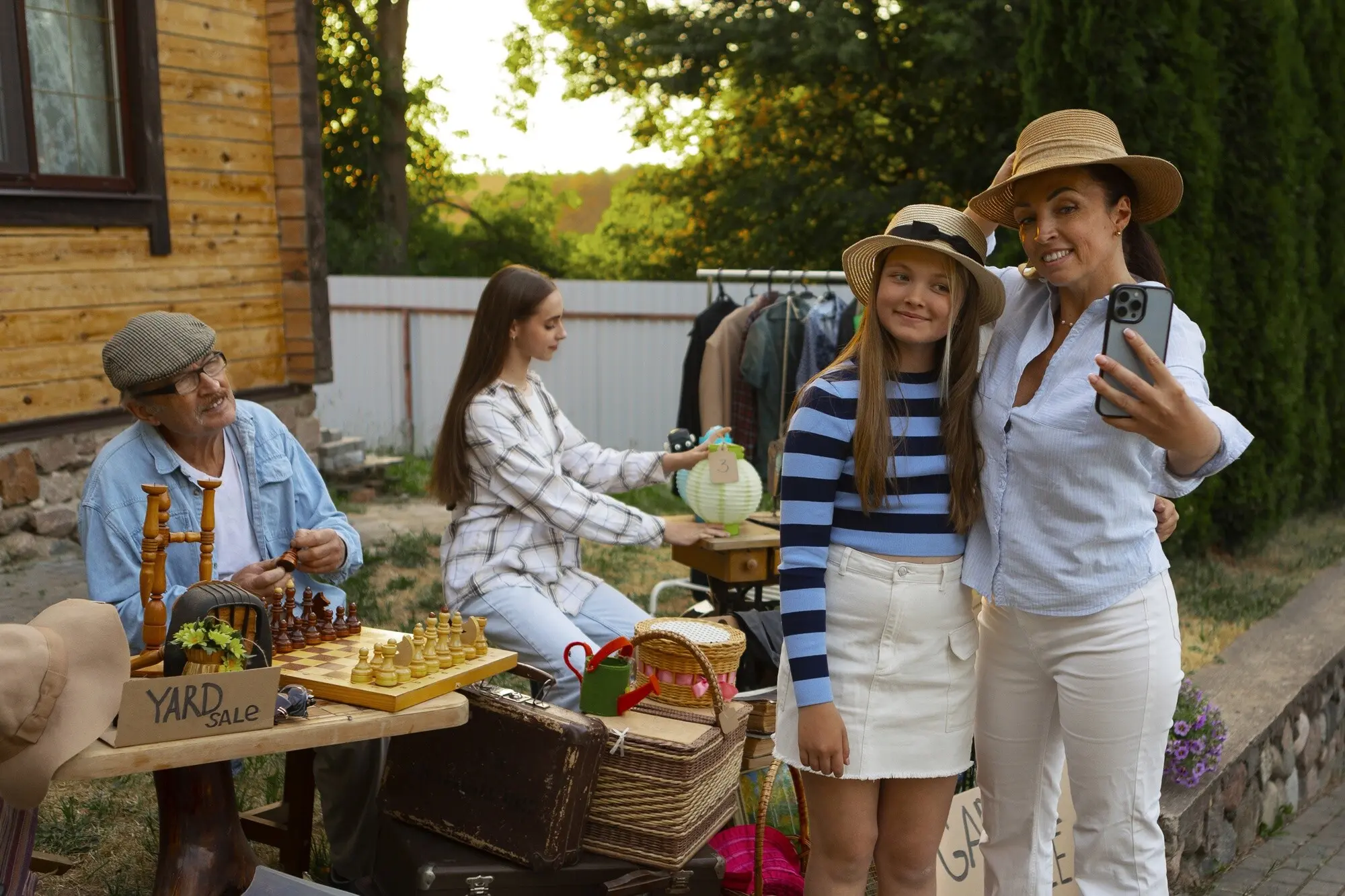
Start in Idrija for lace, continue to Kropa for iron, turn to Radovljica for gingerbread, and loop through Ribnica for woodenware. Call ahead, budget time for demonstrations, and bring cash to avoid card fees. Buy directly after watching a process; the premium funds patience you just witnessed. End the day with a cooperative market, where your purchases support many hands at once.

What to ask when you enter a tiny workshop

Begin with permission for photos, then ask about materials, drying times, and care. Inquire how long an apprentice trains before signing a piece. Request receipts with maker details so you can recommend them later. If prices surprise you, invite an explanation with humility; usually you will learn about hidden steps and seasonality, gaining respect and leaving with confidence in every honest euro spent.
Sanotemipirasira
Privacy Overview

This website uses cookies so that we can provide you with the best user experience possible. Cookie information is stored in your browser and performs functions such as recognising you when you return to our website and helping our team to understand which sections of the website you find most interesting and useful.